Maria Hansson
Titel
Doktorand
Institution
Omvårdnadsvetenskap
Telefonnummer
08-406 29 04
070-434 88 67
E-postadress
maria.hansson@shh.se
ORCID
0009-0000-8688-5687
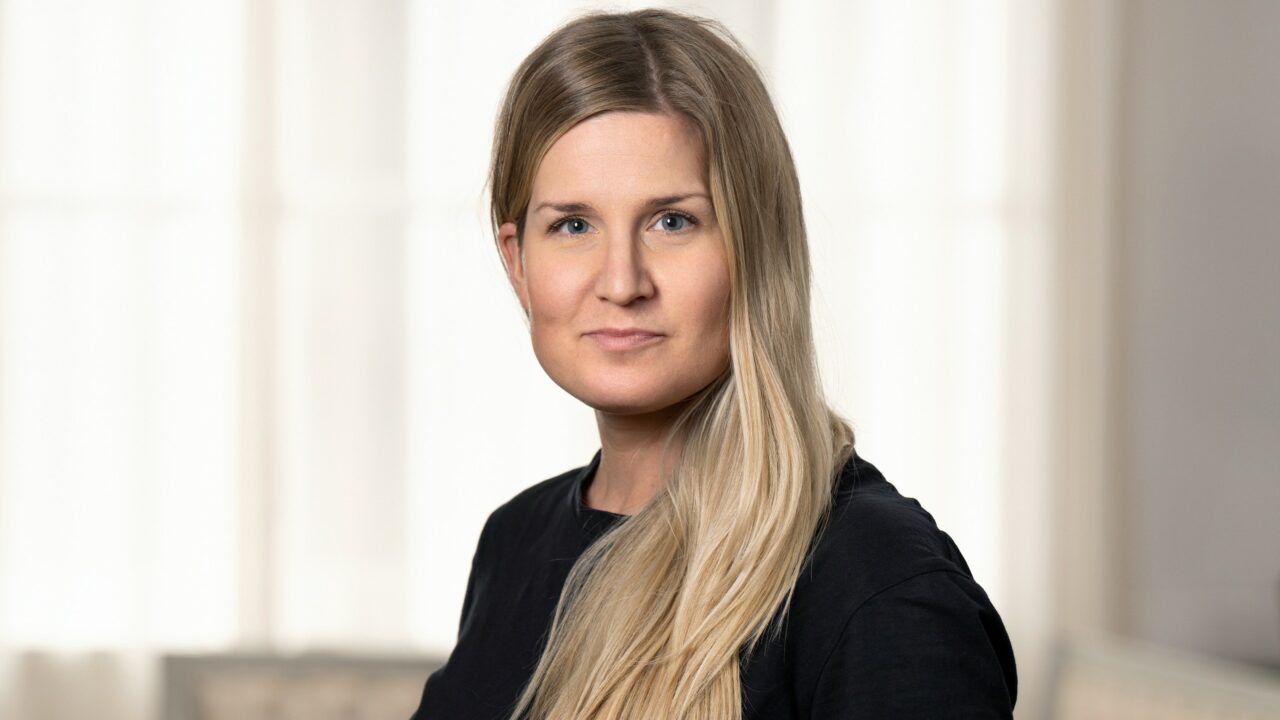
Maria holds a degree in Behavioural Science and has, throughout her professional career, worked both in frontline health and social care services for people with disabilities and in strategic roles within health and social care for older adults and people with disabilities. Her work has primarily focused on service development in response to demographic change and the challenges it poses. Demographic trends characterised by low population growth, increasing life expectancy, and changing needs affect societies worldwide. While the demand for health and social care is increasing, so too are the challenges of recruiting professionals to welfare-related occupations. This has contributed to a greater emphasis on older adults to live and age independently in their own homes for as long as possible.
Although this is necessitated by financial and workforce constrains, research suggests that independence, particularly within Western cultures and contexts, could be associated with well-being among older adults. However, services and interventions for older adults living at home are not yet sufficiently adapted to meet their needs. Furthermore, the assessment and evaluation of independence of older adults primarily focus on physical and functional aspects, typically measured through objective assessments.
Knowledge regarding independence among older adults from their own perspective remains limited. Greater understanding in this area could contribute to the development of interventions that promote independence and well-being in older adults, while also meeting societal expectations of older adults to remain in their own homes for longer. As health and social care should be based on the best available evidence, there is a need for greater knowledge of the nature of subjective independence, as well as validated instruments that can assess and monitor subjective independence among older adults in this context.
The PhD project IN AGE (Independence when ageing in place) aims to explore independence among individuals aged 65 years and older who live and age in ordinary housing, and to develop and psychometrically evaluate an instrument for measuring subjective independence in this population. The project is conducted in accordance with established methods for instrument development. In the first two studies, a systematic literature review and a qualitative interview study, the phenomenon of subjective independence among the target population is explored. The findings from these studies form the basis for the development of the questionnaire items. The project further involves expert evaluation of the content validity of items, cognitive interviews with the target population, and psychometric evaluation. Maria is also a member of a research group called Living with Complex Life-Limiting Conditions (Co-Life) at Sophiahemmet University.
Titel
Doktorand
Institution
Omvårdnadsvetenskap
Telefonnummer
08-406 29 04
070-434 88 67
E-postadress
maria.hansson@shh.se
ORCID
0009-0000-8688-5687